Manufacturing Process
Seed Selection & Prep
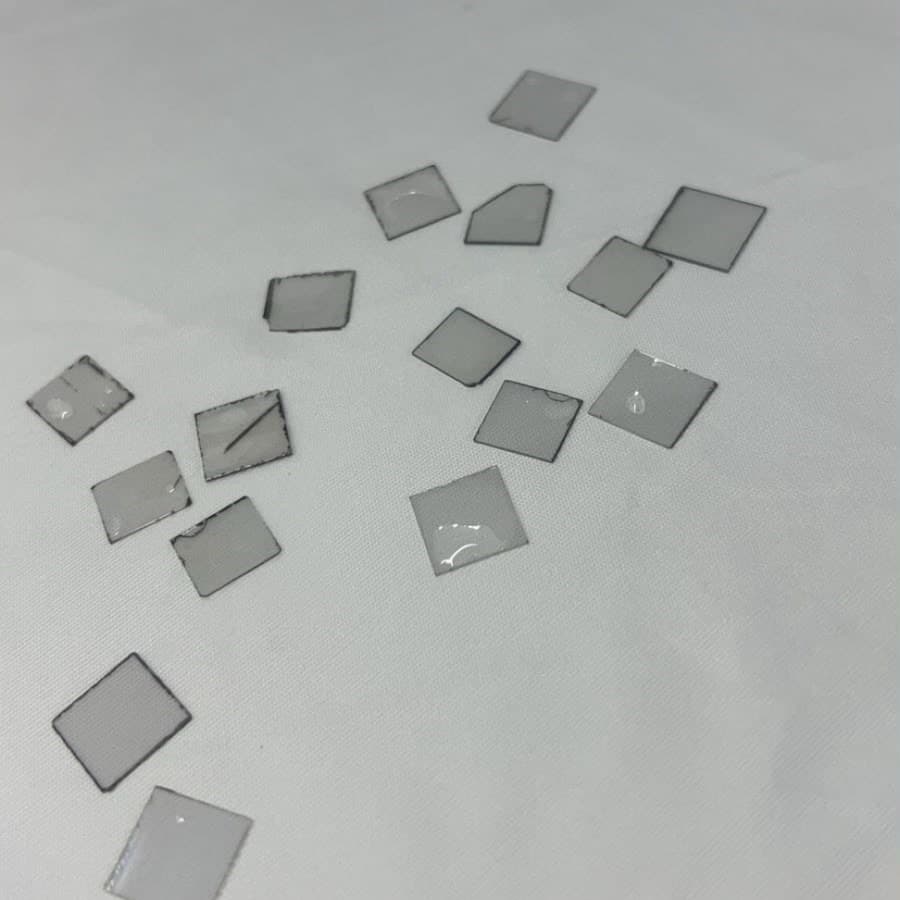
An ultra-thin, flawless diamond seed is sliced from a Type IIa single crystal. It is chemical-cleaned to ensure zero surface lattice distortion.
Plasma Gas Infusion
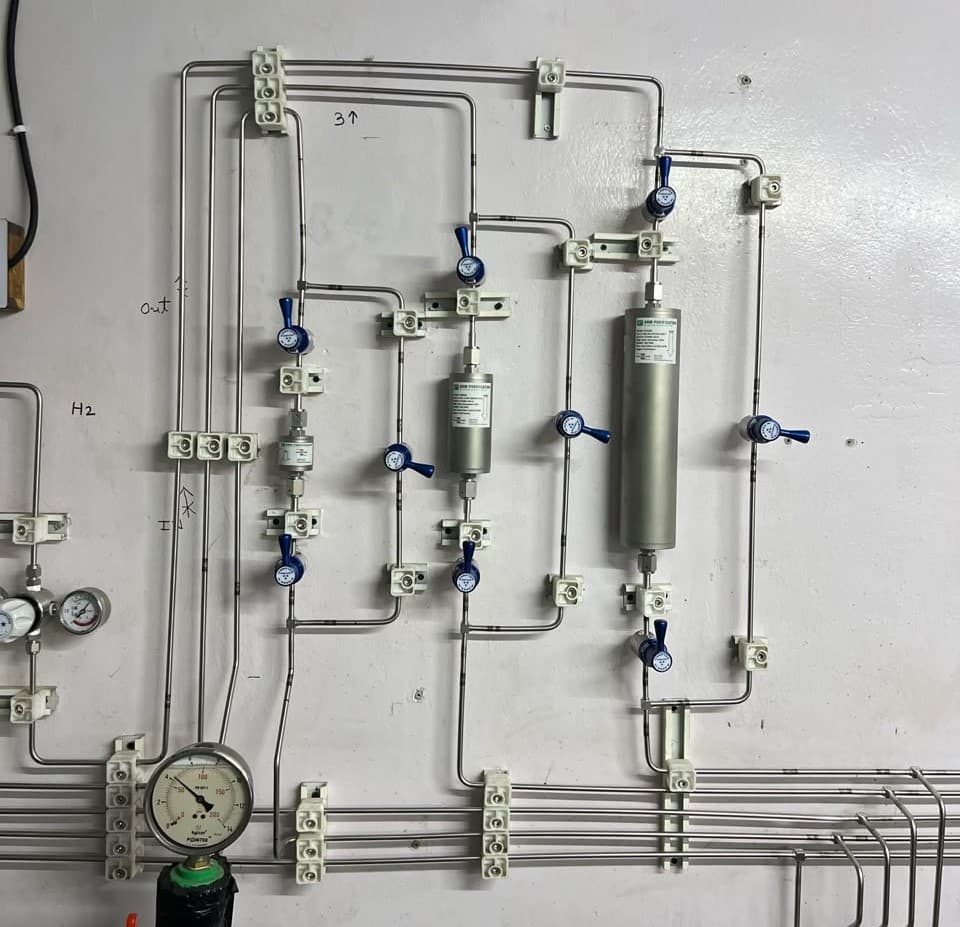
The seed is placed inside a vacuum reactor. Methane (carbon source) and hydrogen are introduced, and intense microwave energy ignites a plasma state.
Atomic Layering
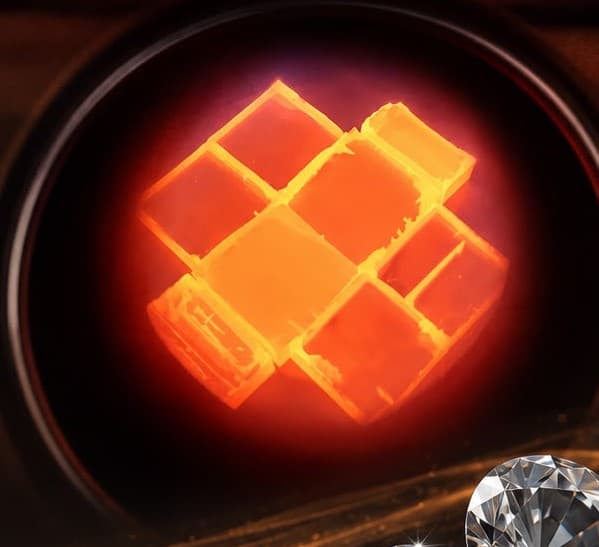
Under temperatures exceeding 1,000°C, carbon atoms separate from the plasma and crystallize onto the seed substrate, growing layer by layer over weeks.
3D Laser Planning
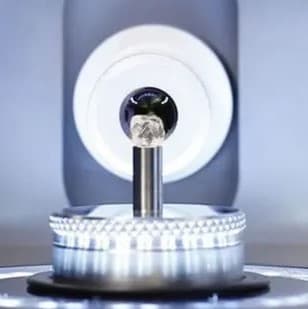
The raw octahedral diamond is scanned in 3D. Precision cutting software plans optimal yield, and computer-guided lasers slice the rough block.
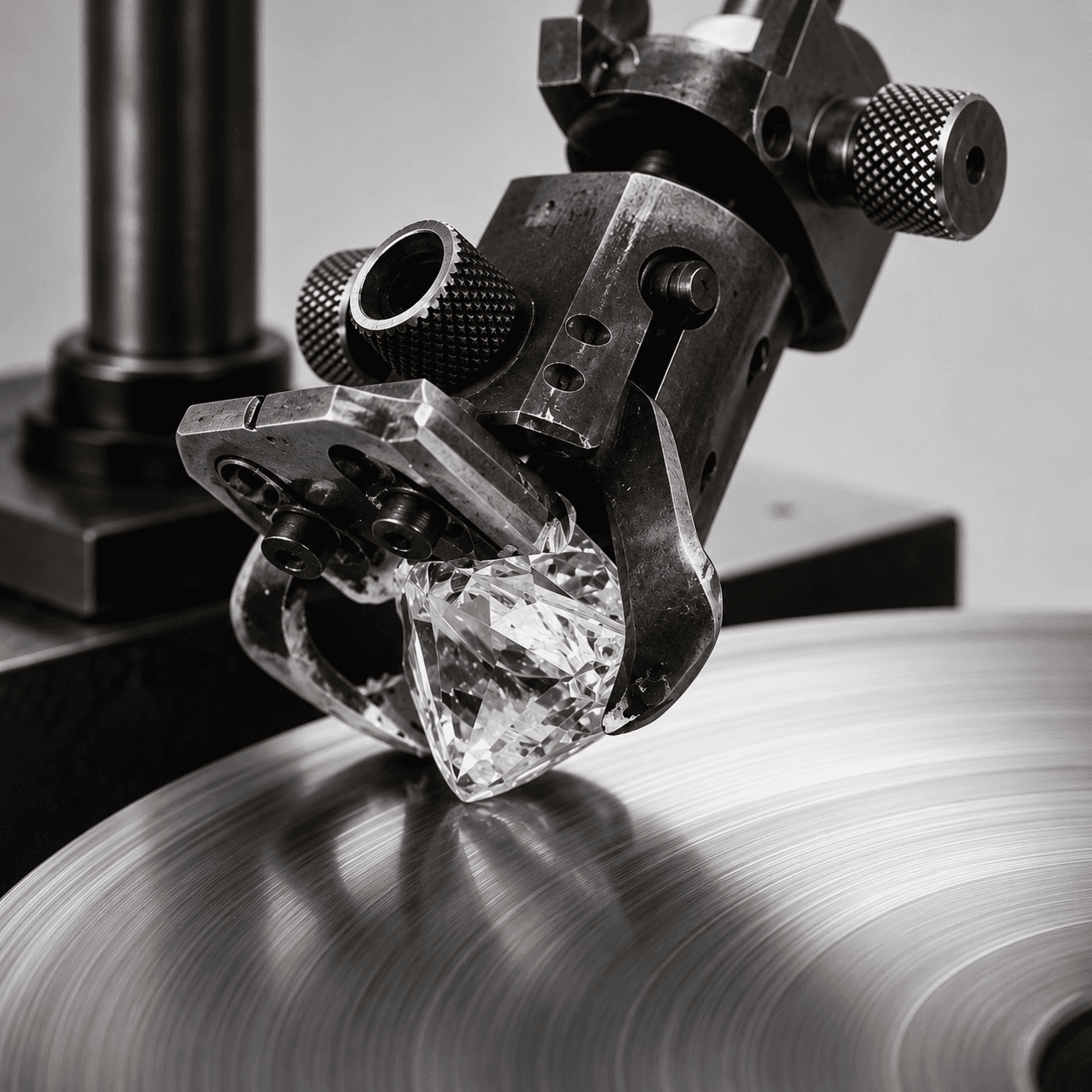
Artisanal Faceting
Generational master cutters hand-polish each facet on cast-iron scaifes, achieving 'Triple Excellent' grade ratings in Cut, Polish, and Symmetry.
InteractiveRayTracing
Interact with the refraction engine to witness how ideal facet alignment splits incident light into white brilliance and colorful spectrum fire.
Refractive Index Calibration
A diamond's brilliance depends on its high **Refractive Index (2.42)**. This causes light to refract at steep angles, trapping it internally to return to the eye as sparkling colored flashes.
Notice how low refractive indexes (like glass) let light leak directly through the pavilion, while diamond's `2.42` index bounces light internally to yield brilliant fire.